Circuits that keep tripping
Repeated tripping is the system protecting you. Resetting without finding the cause is not a solution.
Electrical
Electrical work is not an area for guesswork. A faulty circuit, an overloaded socket or an ageing consumer unit can be a fire or shock risk. The aim is always to find the cause, fix it properly and leave the installation safer than we found it.
What we can help with
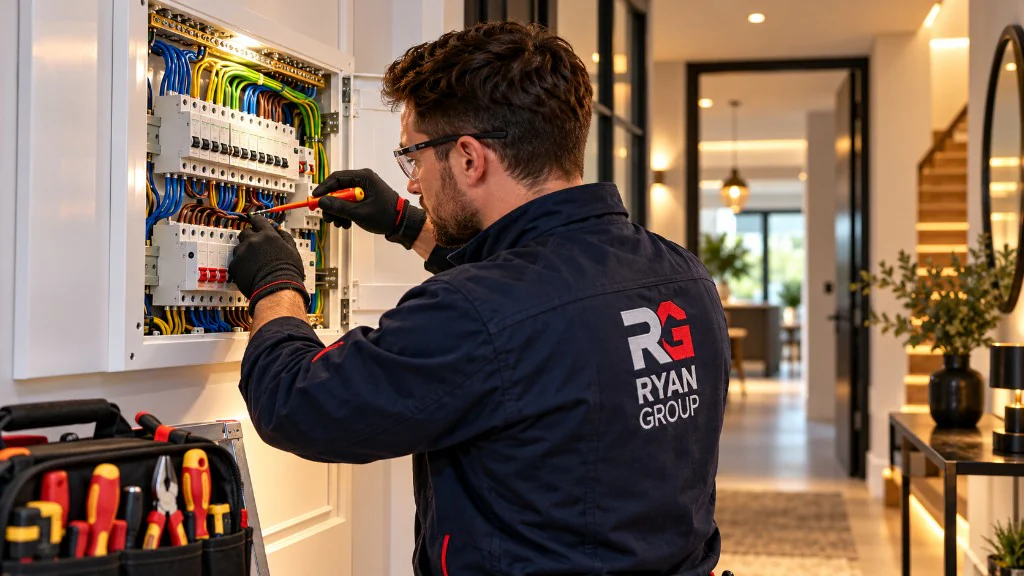
Tell us what is happening, such as tripping circuits, flickering lights or a burning smell, and whether the property is a home, rented property or commercial premises.
Know what to look for
Repeated tripping is the system protecting you. Resetting without finding the cause is not a solution.
Lights that flicker or fittings that buzz can come from loose connections, faulty dimmers or failing components.
Heat or marks around sockets, plugs and switches can indicate loose connections or overloaded circuits. Stop using the affected item.
Older consumer units may lack modern protection. An inspection can show whether an upgrade is advisable.
Practical guidance
How it works
Tell us what you have noticed, which rooms are affected and the age of the property if you know it.
The installation is tested to find the cause, rather than replacing parts and hoping.
You are given a plain explanation of what is wrong and what needs doing, with a written quote for larger jobs.
Work is tested and the relevant certification and paperwork is provided where required.
Quick enquiry
A few details are enough to get started. Tell us what is wrong and where. A call is not a booking.
Questions
Not always. Age, condition, protection devices and any planned changes all matter. An inspection can tell you whether an upgrade is advisable.
An Electrical Installation Condition Report is a formal inspection of an existing installation. It lists observations and any recommended action. It is commonly requested by landlords and when buying or selling a property.
Minor like-for-like replacement is a common DIY task, but only if you understand isolation and testing. If you are not completely sure, use a competent electrician.
Commercial enquiries are welcome. Please describe the premises, the work and any access or out-of-hours requirements.
Related services
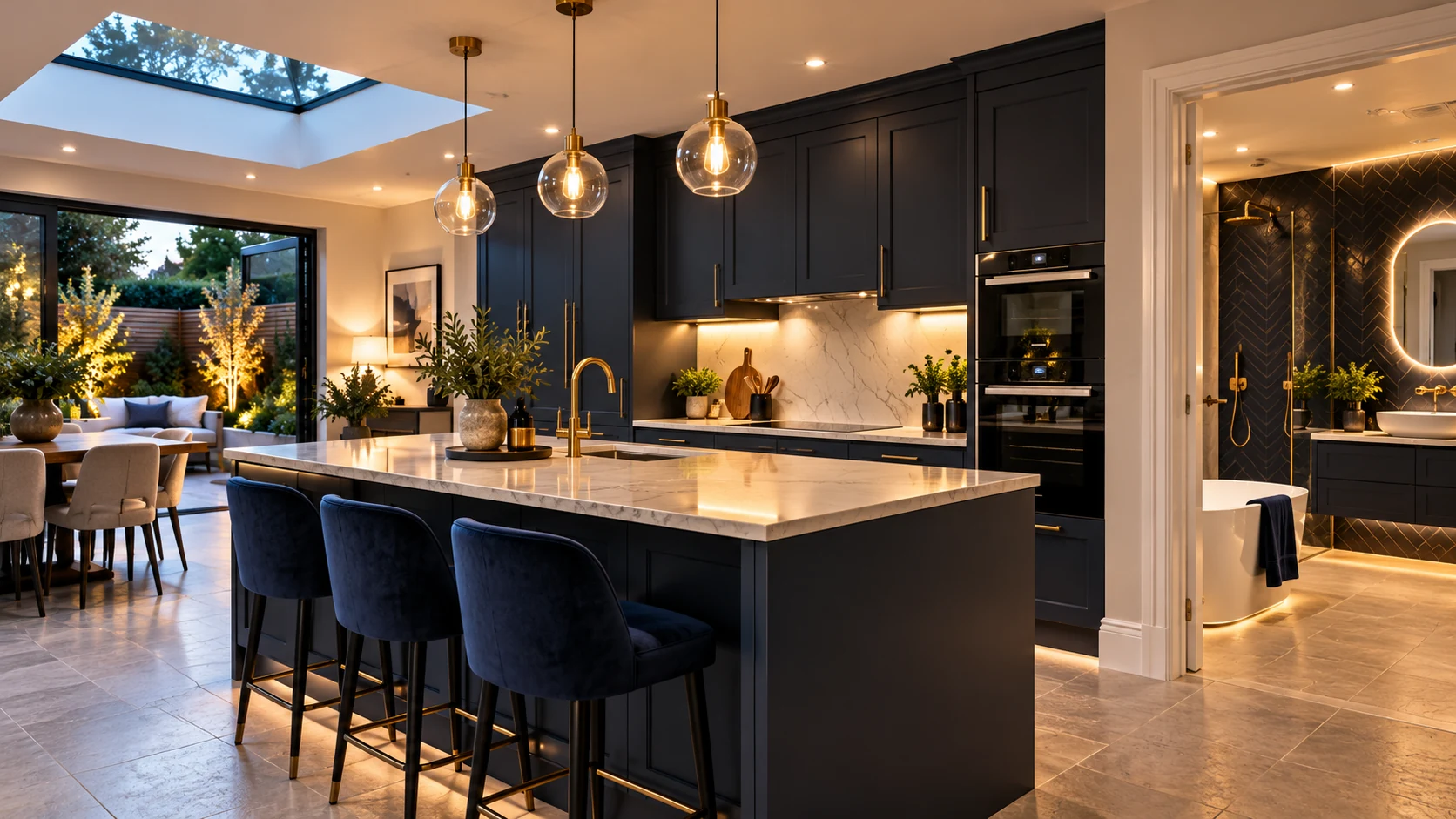
Design-led refurbishment of kitchens and bathrooms, including plumbing, electrics, tiling and fitting.
View service
Single-storey, side-return and two-storey extensions, planned and built from first idea to completion.
View service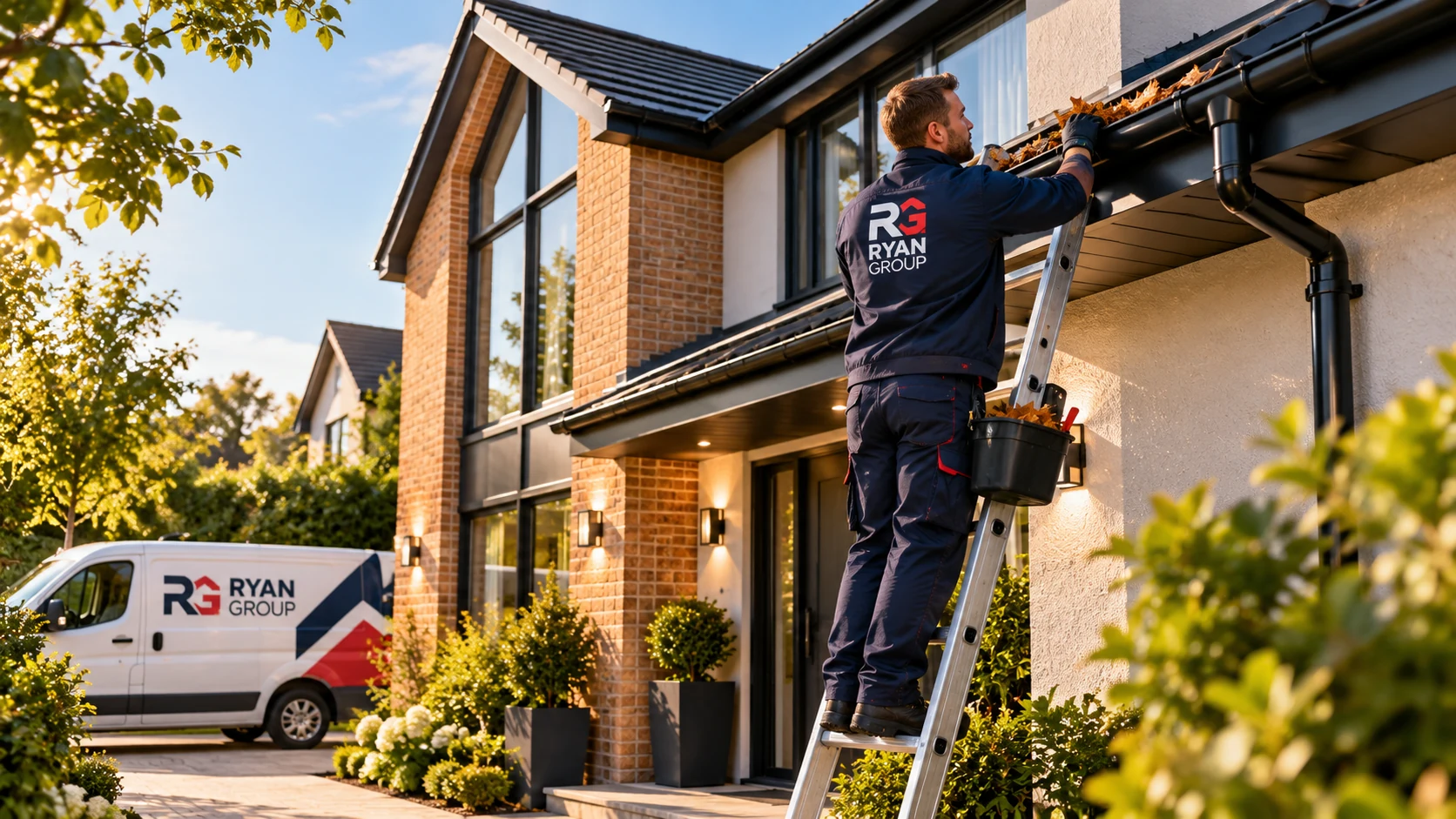
General repairs, snagging, planned maintenance and reactive repairs for homes, landlords and commercial premises.
View serviceBrowse all 12 services on the homepage.